.webp)


IN THE BUSINESS OF LIFE, YOUR HOME IS YOUR ULTIMATE HQ. THE PRINCIPLES OF BRANDING A COMPANY CAN BE APPLIED TO CREATE A VESSEL WHERE YOUR AUTHENTIC SELF CAN THRIVE. HERE ARE SOME WAYS TO GET STARTED…
01
Tabula Rasa.
Itís standard practice to begin brand work by getting clear about the clientís core values and goals; however, I fi nd de-programming my clientís idea of what ìbrandî is to begin with is a necessary prelude. "Brand" is a verb, not a noun; an action, not a thing. In interior design, coveting a name-brand, designer piece of furniture as a status symbol will lead to the image-making of your home, not the cultivation of an authentic home. Even the most important objects will ultimately lie fl at in a space if they do not speak to your personal story. Before decorating a room, decide who you are in your home. Ask yourself: Am I a host or a guest?
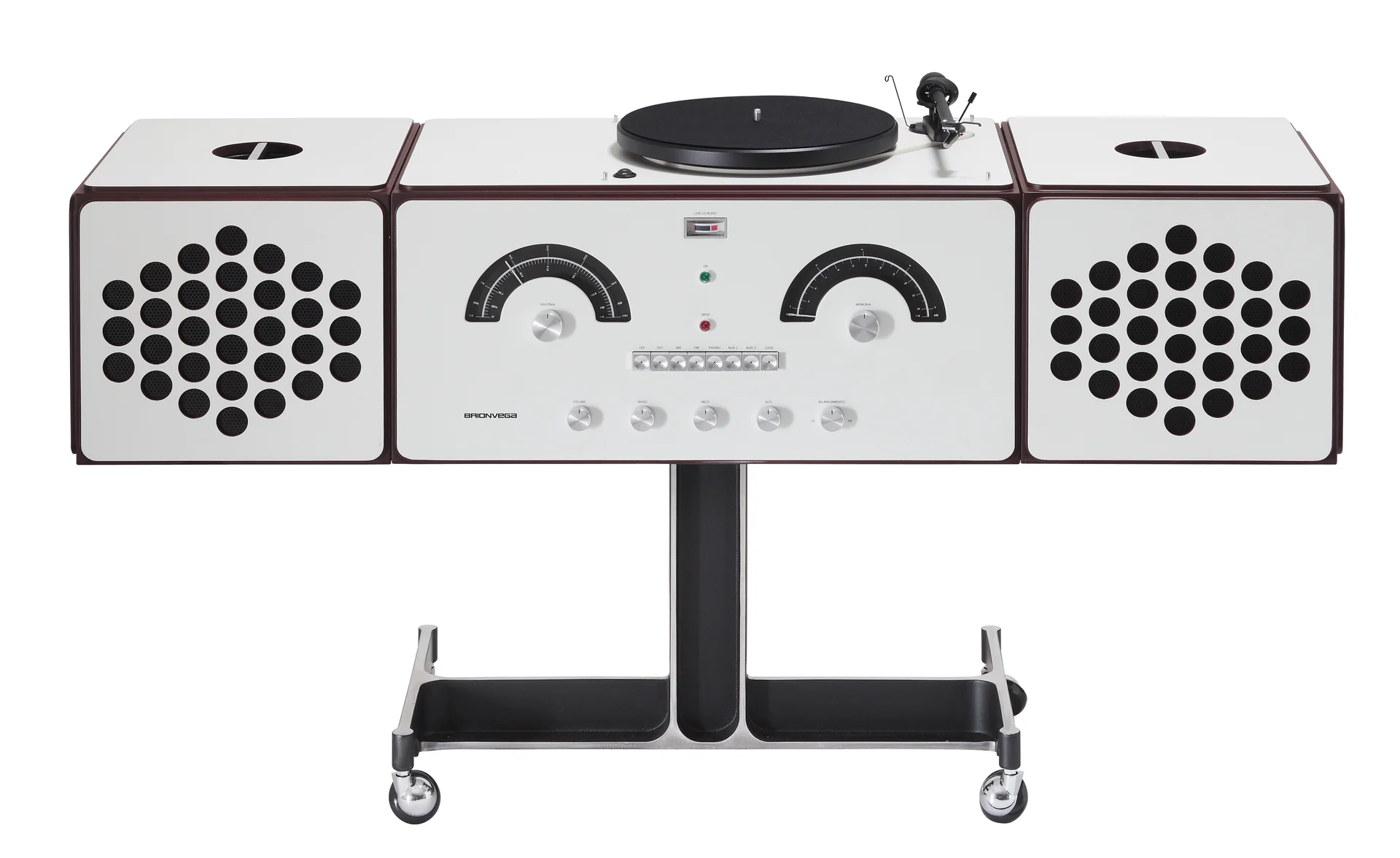
The design of a home for someone who sees themselves as a host will be completely different than for someone who sees their home as a respite from people. You must activate your interests. If you like music, why hide your sound system? Instead, celebrate sonic joy with a dedicated listening room with sculptural, exposed speakers. Your style emerges from the activity of pursuing your interests, so donít get tripped up by thinking about what category of design you belong to. Design styles were created by marketers to sell products; they are not realistic categories or lines in the sand. You can be a minimalist and a maximalist at the same time. Explore your design sensibility outside of membership in an aesthetic group.
02
If No One Hates It, No One Loves It.
The fear of being perceived as having bad taste has immobilized many people from experimentation in their homes, leading to a status quo of banal chic. Beige is not a color so much as a placeholder for a decision. If there is such a thing as bad taste, it is still preferred over no taste. Overcoming the fear of bad taste is a powerful exercise when pursuing your personal style.
03
A Camel Is a Horse Designed by Committee.
I advise my clients to keep our work sacred between the people on the core team developing the ideas. Sharing the process with an outside audience too early can hurt the potential of a project. Your family and friends may be your sounding board, but their advice will likely not have authority, especially in the pursuit of authenticity in your design. Even with their best intentions, getting too many opinions from the outside will inevitably lead to creating a fi nal product that I refer to as a camel. Two humps may be better than one and a longer neck is handy for reaching higher food sources, but when it is all put together it does not match the majesty of a thoroughbred.
04
Get Offline.
Platforms that were once embraced as commons for the exchange of ideas and inspiration are no longer spaces for discovery. Honest users will attest that social media is hardly social anymore, and an increasingly isolating experience. Advanced algorithms hold our attention while holding us back from our true selves and taking advantage of us by deftly playing with human nature. Today, interior design information online is mostly a pursuit for homogeneity, as the algorithm pushes a linear view of what a tasteful home should look like. Instead of searching for design inspiration online, read a magazine (wink wink). Or visit your local bookstores. In Los Angeles, an afternoon at Book Soup can lead to some curious finds. In San Francisco, William Stout is a standout. In New York, visit Rizzoli’s own bookstore in NoMad. When in Paris, 7L (founded by Karl Lagerfeld) in Saint-Germaindes-Prés is the mecca for art and design books. Or, dare I say, visit your local library and blow the dust off out-of-print design books often buried on the shelves.
05
Salt Makes It Sweeter.
As a key ingredient to taste, bakers understand how to use salt to make the sweet taste sweeter. To bring out depth in design, you must understand that sugar alone leads to flat flavors. Many people believe that a home must be designed for happiness only, but this can lead to saccharine spaces. We humans experience a range of emotions, and the design of our homes should be a vessel for all of them. By activating both sides of our palate, allowing for a spectrum of feelings to be applied to the design of our home, it will exude realness. A room designed as a hug to cry in is an underrated luxury.
06
Flip a Coin.
A simple twist to the classic heads-or-tails exercise can be a dependable tool when exploring your design sensibility. If ever you are unable to make a decision between two options, flip a coin and inspect how you feel when the decision lands. If your immediate, knee-jerk reaction is unease—if you wish it would have landed the other way—then you have become aware of your true position. In making design decisions, the mind may overthink and confuse. Use this gut-check game as a way back into your heart.
07
Parameters Are Creatives' Best Friends.
Limitations are good. JeanMichel Basquiat famously painted on unconventional surfaces, including refrigerator doors, due to limited resources in his early years. These works are in the permanent collections of the most prestigious fine arts institutions in the world. On Top Chef, Quickfire Challenges are more interesting than the main challenge because of the creativity that is born from limited ingredients. Get out of the idea of lack and into the idea of limits as a propagator of great ideas.
08
“Yes, and …”
This first rule of improv works well when applied to design decisions. Rather than negating your designer’s ideas and thus cutting creative flow, keep the idea current flowing by being responsive. There is a way to guide things back to what feels right to you through a form of additive conversation. Ideas beget ideas, and success begets further success.
09
Negative Space Is Positive.
Say the most with the least. Editing allows for the positive effects of negative space. In design, the space between two objects is an important object in itself.
10
Excitement vs. Anxiety.
Over the years, I have found a funny pattern in many people, in that some experience their excitement as anxiety. A good exercise to practice through the process of decorating your home is to meet moments of anxiety with awareness. Rather than being triggered by a design challenge, ask yourself if the feeling can be reframed as the type of excitement an explorer may feel on their quest for discovery. For scientists, every failed experiment is met with enthusiasm, as each experiment gets you closer to the inevitable finding.
11
The Power of Absorption.
Take your time. In today’s fast-paced world, going slow is a radical act. The process of design should be enriching. By going slow, you allow for deeper dialogue between you and your designer, and with yourself. Slow decisions are usually the right ones. Savor the experience of creating your home.