

DURING HIS FOUR DECADES AT ESTÉE LAUDER, WILLIAM P. LAUDER HAS OVERSEEN MORE THAN 90 OFFICES ACROSS THE WORLD. HERE’S HOW HE HAS BUILT WORKING ENVIRONMENTS THAT HELP HIS TEAMS THRIVE…
01
Create a Feeling of Comfort.
You constantly have to evolve. The design of our offices has changed over the years, as many of the spaces were established during a different era for the company. For instance, instead of having cubicles, we favor open space for a collaborative spirit. We’ve also considered how to enhance communal spaces of different sizes, not just a large conference room, but medium rooms, huddle rooms, gathering rooms, and collaboration areas modernized for today’s working style. The population of our offices has changed and so now we have rooms to accommodate the various needs of our employees.
02
Understand The Culture.
A cookie-cutter office mold doesn’t work. You can’t have the same office design and setup in your Los Angeles office as you do your New York office and your Tokyo office. Every culture and destination is different. Look at that first, and bring those elements into the workplace.
03
It’s Not About The Coffee.
It’s the mood of the office that will get people in there each day—not the amenities like food and beverages. Think first about creating spaces that drive collaboration because it’s the quality time employees spend with their peers and colleagues that will make coming into the office effective.
04
Be Flexible.
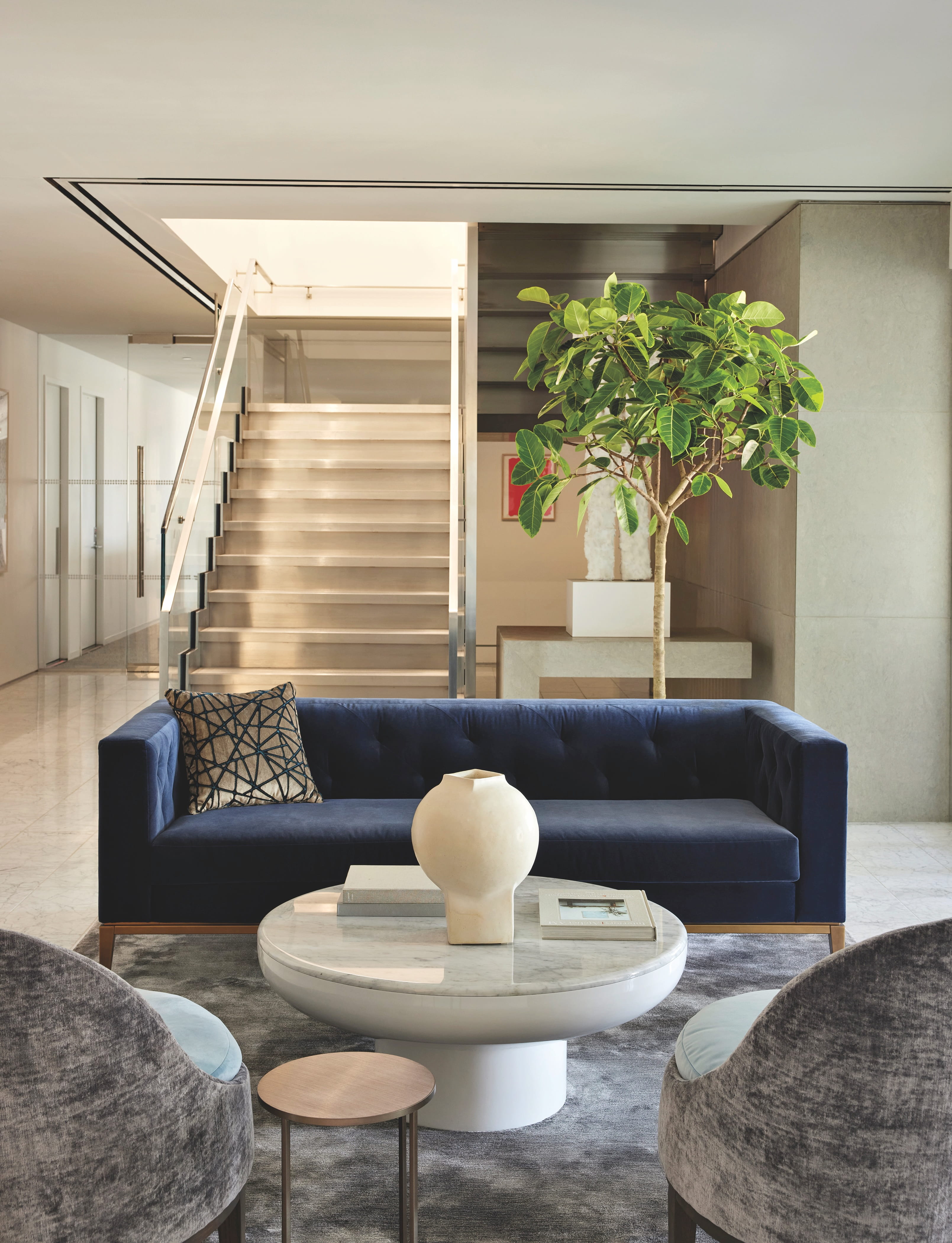
My taste and sense of style, color, etc., has remained pretty much the same over the years, but my approach to more practical elements—how a space is going to be used— has changed and evolved over time. Our offices are being used in different ways than many years ago. A lot of the things that we do, how we celebrate people, it has to have flexibility. For example, the 40th floor of our New York City headquarters has always been a gathering space for events and celebrations. It has to have flexibility. The magnificent views haven’t changed, but the way we renovated the floor allows us to move things relatively easily to create a space unique for different occasions.
05
Study the City.
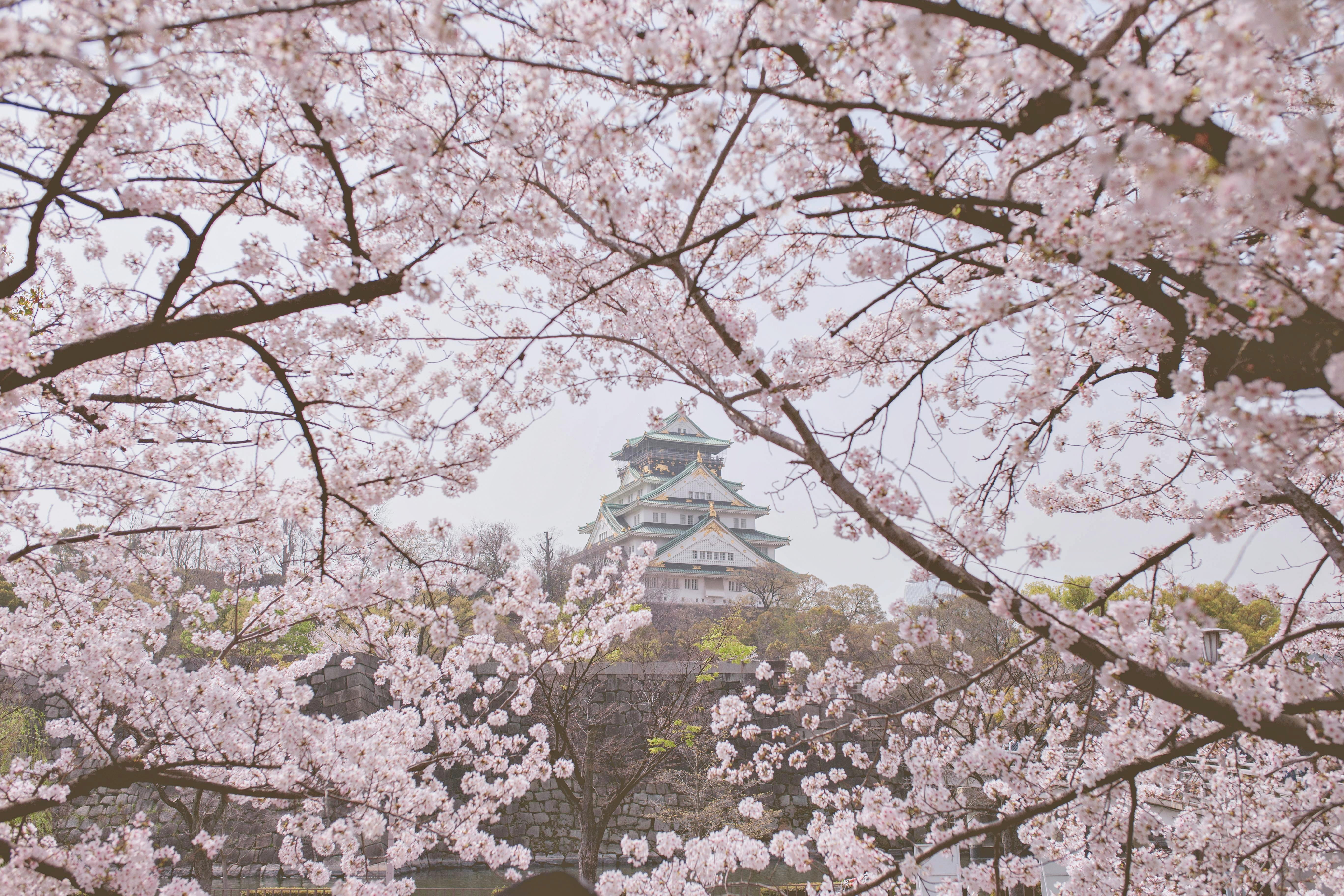
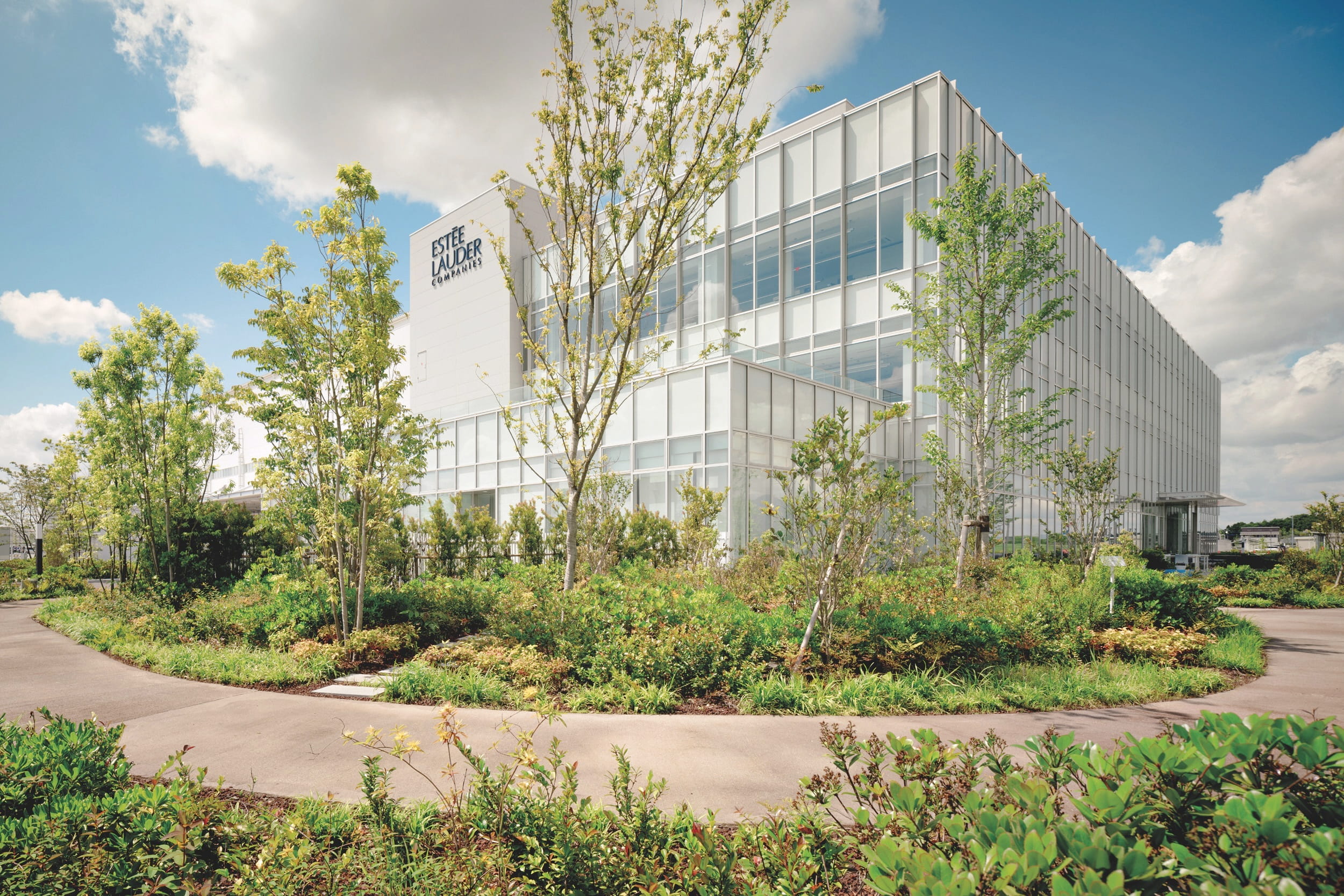
Here’s a case study: Our manufacturing facility based in Japan, Sakura, was ELC’s first Asia Pacific–based manufacturing plant. It’s in Shimotsuma, about 90 minutes outside of Tokyo. Japan is known for its highquality manufacturing, craftsmanship, and commitment to quality, rooted also in the culture of continuous improvement. Maintaining a connection to the area is very important to us. It was important to incorporate elements of the area we’re in. For this facility, we used the sakura tree as our inspiration—it is the virtue of Japan and a symbol of pride. Its beauty brings people together. Every year, the sakura blossoms celebrate new beginnings, and it reminds us of the potential and persistence in each of us. During the development of the sakura design, we also worked with local artists on select displays within the office. It’s always been important to us to have art on the walls and reference the creativity we are all about—it’s inspiring. We’ve also added an “ELC Experience” area detailing the history of the company and its commitment to manufacturing of the highest quality. It also has an aerial view down to the manufacturing floor so we can see how our products are made.
06
Be Mindful of Personal Style.
I love seeing art on the walls, whether in my personal office or the walls of our offices. It’s an important element of our spaces and I really appreciate when the art is a reference to the creativity we are all about. However, it’s not just one person’s taste. It’s also curated to each individual office space, which is important to maintaining the individuality of our brands. I love going to the MAC office and seeing the creativity of the MAC campaigns on the walls, or the Estée Lauder offices, or Clinique, and you really feel like you are in the brand’ environment.